


Celebrating the people, stories and ideas at the heart of science.
The British Science Festival is Europe’s longest standing science Festival, travelling to a different place in the United Kingdom each annually.
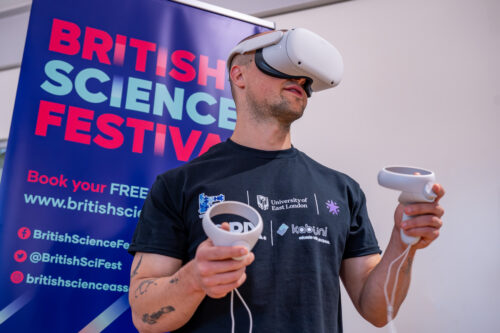
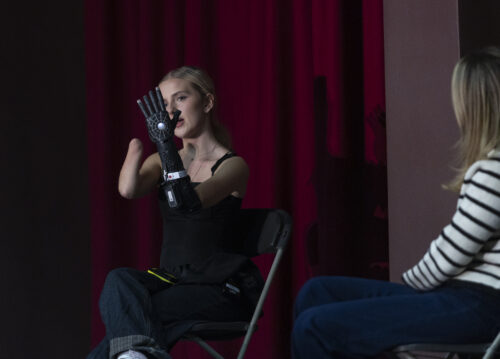 Each year we bring an inspiring programme of free events to the public with researchers from around the UK discussing what their work means to society and its impact on people’s everyday lives. Recent themes have focused on health and sport, space, forensics, animals and nature and psychology brought to life through comedy, art installations, dynamic performances to hands-on workshops and interactive experiences.
 The British Science Association and the University of Southampton are pleased to announce that the British Science Festival for 2026 will take place in Southampton. The Festival, will be held over five days with events due to take place in venues across the city from 16 – 20 September. The programme will feature roughly 100 free events, exhibitions, performances and installations that celebrate the people, stories and ideas at the heart of science.
The Festival has been the stage for many iconic moments in history – such as the famous debate on Darwin’s controversial theory of evolution. It also saw the first use of the word ‘scientist,’ in 1834.
Over the years, the Festival has featured many famous names in science communication, such as Professor Brian Cox, Professor Alice Roberts, Sir David Attenborough and Dr Maggie Aderin-Pocock, as well non-scientists, including writer and poet Lemn Sissay, choreographer Wayne McGregor and broadcaster Lauren Laverne.
 The origins of the Festival, previously known as the annual meeting, can be traced back to York, in 1831. Since then it has travelled the globe, including visits to Montreal and Australia.